Mastering the Triple Step: How to Stay Fast, Fluid, and Balanced on the Dance Floor
Why Fast Swing Music Leaves Your Footwork Behind
When the tempo rises in jive, East Coast Swing, or West Coast Swing, even experienced social dancers can feel the floor suddenly shrink. The music seems to accelerate while the feet become heavier, the knees lock, and every triple step turns into a frantic attempt to catch up. The natural reaction is to take bigger breaths, move the legs faster, and concentrate harder on saying “step-ball-change” internally. Unfortunately, that mental commentary often adds delay rather than removing it. By the time the brain has named each part of the rhythm, the music has already moved on.
Fast dancing is less about rapid leg action than efficient organisation. A reliable triple step comes from a compact stride, a buoyant but grounded centre, and tiny weight transfers that happen beneath the body. The goal is not to bounce vertically from the shoulders or scramble flat-footed across the floor. It is to create a controlled suspension, let the feet collect promptly, and allow the body to travel only as far as the music requires. If you are refining your technique for a busy social floor, the same principles that make jive dancing more enjoyable also make fast swing feel calmer, clearer, and more connected.
The Biomechanics of Micro-Weight Transfers
A full weight change asks the body to commit decisively over a new supporting foot. That action is useful for travelling steps, direction changes, and clear partner communication, but repeating large commitments at a high tempo quickly becomes inefficient. In a fast triple step, the middle and final actions may be better understood as micro-weight transfers. The ball of the foot touches, receives just enough pressure to organise the body, and releases without sending the whole mass into a large sideways journey.
This distinction matters because the centre of gravity must remain available for the next musical event. Keep the feet underneath the pelvis, and the body can redirect with very little effort. Send the torso beyond a long step, and the next collection becomes a rescue operation. A useful image is to project the foot first, then allow weight to arrive in a measured way. The foot is not thrown ahead as a brake, nor is it slapped down after the body has already moved. It acts as a quiet point of contact that helps the body remain balanced.
Delayed collection is one of the most common causes of heavy fast footwork. After a step, the free foot remains behind or drifts wide while the supporting leg tries to begin the next action. That creates dragging momentum, unnecessary rotation, and late timing. Keep the ankle responsive, soften the knee, and collect the unloaded foot beneath the torso as soon as its job is complete. Practical footwork guidance also emphasises ball-of-foot pressure, controlled projection, and a softened weight-bearing knee as tools for balance and responsiveness.
- Project before transferring: Place the foot accurately, then allow the body to settle onto it.
- Keep the ankle springy: Avoid collapsing into the heel or locking the ankle rigidly.
- Soften the knee: A small flexion absorbs impact and keeps the centre mobile.
- Collect early: Bring the free foot back under the body rather than leaving it trailing.
- Reduce the stride: At higher tempos, precision beneath the pelvis beats distance across the floor.
Mastering the Suspension Point Between Beats
Suspension is the brief moment in which the body appears to float before settling into the next downbeat. It is not a jump and it is not a decorative rise through the shoulders. It is an organised upward recoil created by the ankles, knees, and hips, followed by a controlled release of weight into the floor. In many swing-based rhythms, that tiny moment of readiness allows the body to stay ahead of the footwork rather than reacting after every beat.
Imagine sending the pulse into the floor instead of bouncing it upwards through the chest. The feet remain active, the knees stay elastic, and the crown of the head remains relatively quiet. This gives the dance a buoyant quality without creating excess vertical travel. The body rises only enough to unload the next foot, then returns through the standing leg with control. A useful test is whether a partner can feel rhythmic readiness without being lifted, shoved, or pulled.
Heavy foot planting usually begins with a locked knee, a late heel strike, and a torso that drops onto each step. Suspended micro-stepping uses a smaller contact, quicker collection, and a centre of gravity that stays close to the supporting base. The comparison below highlights the practical difference.
| Heavy foot-planting | Suspended micro-stepping |
|---|---|
| Large steps that travel beyond the body | Compact steps placed beneath the pelvis |
| Locked or collapsing knees | Soft knees with controlled recoil |
| Heel impact absorbs the rhythm | Ball-of-foot contact manages the pulse |
| Shoulders bounce or tense | Upper body remains calm and available |
| Delayed foot collection | Free foot returns promptly |
| Partner connection feels heavy | Connection feels responsive and adaptable |
Four Drills to Build Lightning Fast Foot Speed
Speed should be trained progressively, not demanded from cold muscles on a crowded floor. These drills develop timing, ankle responsiveness, compact placement, and partner elasticity. Keep the movement small enough to remain accurate. If the shoulders begin to tense, the feet start slapping, or the count becomes uncertain, reduce the tempo and rebuild the quality before accelerating again.
- Metronome ladder from 100 to 160 BPM. Begin with a basic triple-step pattern at 100 BPM, using a metronome or carefully chosen track. Spend one or two minutes checking that each contact is quiet, the knees are soft, and the free foot collects underneath the body. Increase by 10 BPM at a time until reaching 160 BPM, but only continue while the rhythm remains even. The purpose is not to survive the fastest setting. It is to teach the nervous system that increased tempo requires smaller movement, not panic. Recording short practice clips from the same camera angle can reveal whether the feet are genuinely becoming more efficient or merely appearing faster because the body is rushing.
- Sheet-of-paper isolation drill. Place a sheet of paper beneath each foot on a smooth, safe surface and practise tiny triple-step actions without allowing the heels to thump. The paper is not there to make the feet slide dramatically. It provides immediate feedback about excess pressure and dragging. Keep the ankles active and imagine brushing the surface rather than stamping it. If the paper folds, shoots away, or catches under the heel, reduce the range and return to ball-of-foot contact. This drill builds quietness, which is a practical sign that unnecessary vertical force has been removed.
- Compact slot tracking. Mark a narrow slot on the floor using two strips of removable tape. Practise triple steps and turns while keeping each foot inside the lane. The aim is not to squeeze the feet together or twist the knees. Maintain natural turnout and allow the feet enough room for stability, but prevent wide stepping and accidental travel across the partner”s space. As turning becomes quicker, keep the pelvis over the slot and let the feet make small adjustments beneath it. This is especially helpful for dancers who lose time because a turn becomes a large circular journey.
- Partner rebound drill. Face a partner in a comfortable open connection and practise a gentle compression and release through the hands and body, without pushing. On the compression, both dancers soften the knees and allow the centre to settle slightly. On the release, the ankles and legs provide a small rebound that prepares the next step. The frame should remain toned but never rigid. Change roles frequently and keep the exercise quiet enough to detect whether either partner is pulling, leaning, or holding the other in place. The objective is shared readiness, not force. When the connection is elastic, fast footwork can remain communicative rather than becoming a private race between two sets of legs.
These exercises work best in short, frequent sessions. Five focused minutes before a class or social dance can be more useful than a long session performed with fatigue and declining mechanics. Start slowly, observe the body, and increase tempo only when the movement remains comfortable. Speed training should develop options, not encourage dancers to ignore pain, dizziness, or joint strain.
Adapting Your Triple Step Across Modern Dance Styles
The same compact principles appear differently across swing styles. In jive, the chassé often has a crisp, lively quality, with the body staying lifted enough to articulate the rhythm while the feet remain close to the floor. Avoid turning the chassé into a series of large side jumps. Small lateral actions, precise ankle use, and a stable torso preserve energy for kicks, turns, and changes of direction.
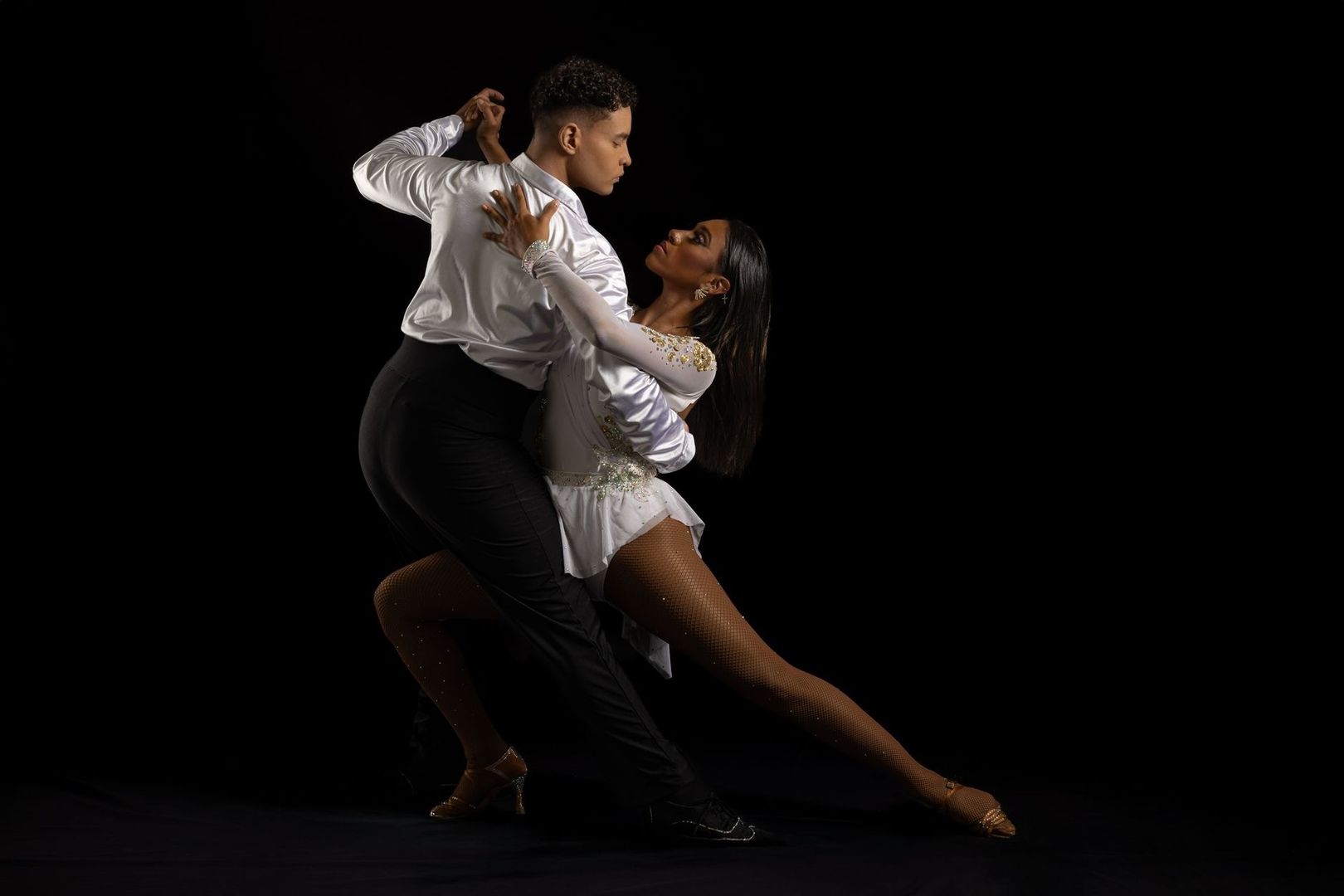
West Coast Swing asks for a particularly adaptable triple step because the dance moves through a slot and often uses an anchor to create stretch and responsiveness. The triple rhythm can be quick-quick-slow or another clearly articulated subdivision depending on the music and styling, but the body must remain ready to travel or settle without losing connection. Musical interpretation matters: a natural WCS track commonly gives emphasis to the second beat, which supports the longer, slower quality often heard in the triple-step rhythm. Listen for that emphasis instead of forcing every song into an identical mechanical pattern.
Lindy Hop triple steps can feel more grounded and elastic, with pulse shared through the legs and the partner connection rather than expressed as constant height. The shape may expand during travelling figures and compress during crowded floorcraft, but the centre remains organised. Across all three styles, manage energy across the entire evening by alternating larger expressive movement with economical basics. Relaxed feet also sharpen lead-follow sensitivity because less tension is masking the small changes in pressure, direction, and timing that partners use to communicate.
- Jive: Keep chassés lively, compact, and rhythmically crisp without jumping through every action.
- West Coast Swing: Protect the slot, respect the anchor, and adapt the triple rhythm to the music.
- Lindy Hop: Share grounded pulse through the legs while allowing the body to expand and contract naturally.
- Every style: Keep the centre available, collect the feet promptly, and save large movement for moments that genuinely need it.
Step Onto the Social Floor with Fluid Precision
Fast triple steps become manageable when the body stops treating every foot contact as a major event. Compact foot placement keeps the centre of gravity available, suspension creates room between the beats, and micro-weight transfers prevent the legs from becoming overloaded. Soft ankles and knees absorb the rhythm, while prompt foot collection removes the dragging momentum that makes high-tempo dancing feel late.
Before the next social dance, spend a few minutes on the metronome ladder, the quiet-foot exercise, or a compact slot pattern. Begin below performance tempo and let accuracy lead the acceleration. With regular practice, the music can reach peak tempo without demanding frantic effort. The result is not merely faster footwork. It is relaxed confidence, clearer connection, and the freedom to enjoy the whole floor while every step lands with fluid precision.


You May Also Like
Allemande
How to Catch the 2 and 4: Finding the Rock and Roll Backbeat on the Social Floor